
The OR Tambo Special Economic Zone occupies a unique position within South Africa’s economic landscape. Situated adjacent to the country’s primary air cargo gateway, it is not merely connected to transport infrastructure; it is intrinsically enabled by it.
At a time when global value chains are being reconfigured around speed, reliability and resilience, transport has become far more than a facilitator of trade. It has emerged as a strategic driver of industrialisation, beneficiation and export competitiveness (Rodrigue, 2020; UNCTAD, 2023).
As South Africa commemorates Transport Month, discussions often centre on the movement of people and goods, the expansion of infrastructure networks and the efficiencies required to support economic activity. While these are important considerations, there is an equally significant conversation that deserves attention: the role of transport as a catalyst for industrial beneficiation and value creation.
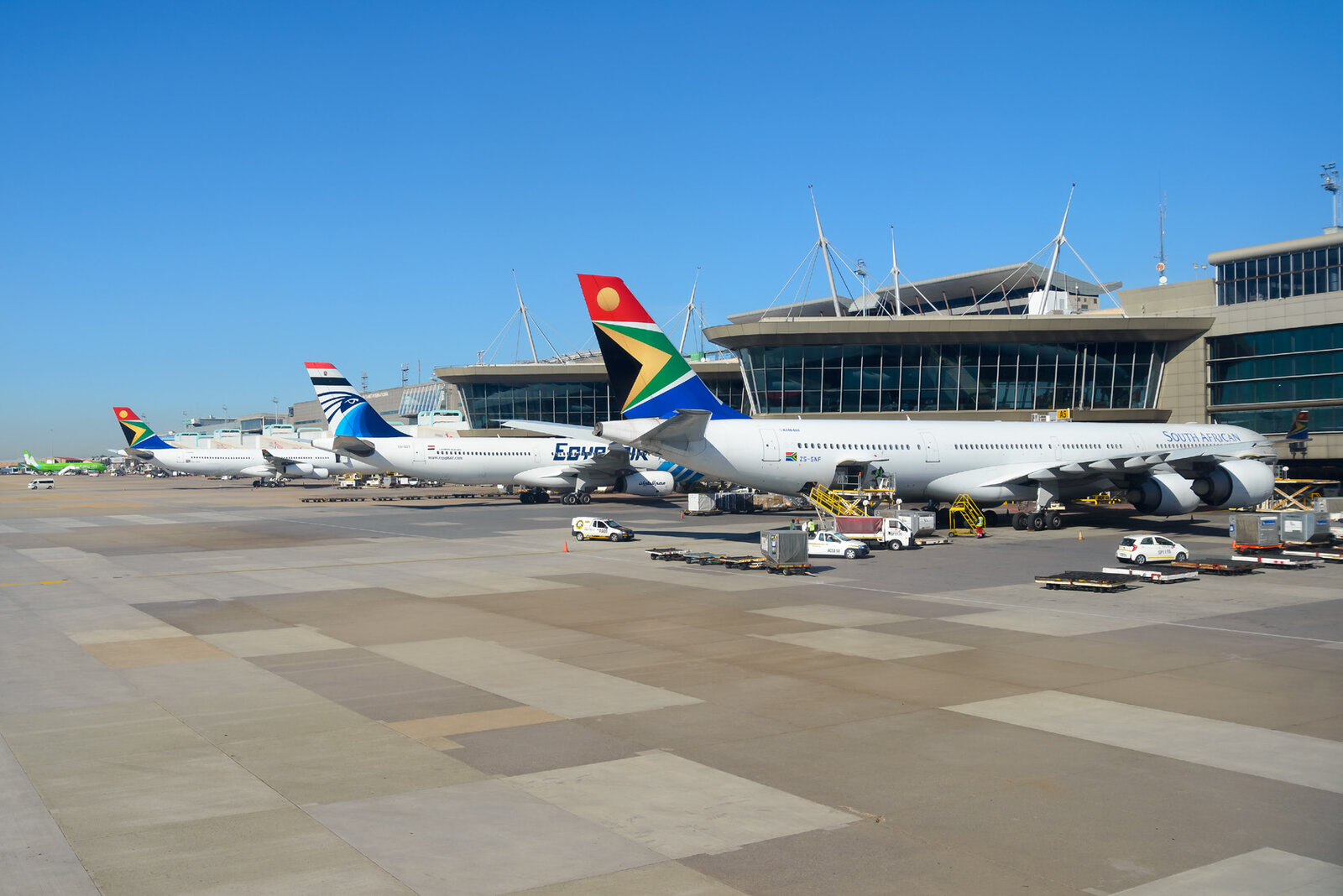
In an increasingly competitive global economy, transport infrastructure is no longer simply a support mechanism for industry. It has become a critical production input that influences where firms invest, how value chains are structured, and ultimately whether countries participate in global markets as exporters of raw materials or producers of high-value manufactured goods (Rodrigue, 2020; UNCTAD, 2023).
This distinction is particularly relevant for Special Economic Zones (SEZs), where the convergence of infrastructure, investment incentives, industrial capability and market access creates opportunities to accelerate economic transformation. In this regard, the OR Tambo SEZ provides a compelling example of how transport connectivity can be leveraged to drive beneficiation-led growth.
Rethinking the Relationship Between Transport and Industrialisation
THEN: Mobility and logistics
Success measured in kilometres of road built, cargo volumes handled and turnaround times improved.
NOW: A strategic role
Transport shapes which industries can thrive, where firms invest and how value chains are structured.
Historically, transport has been viewed primarily through the lens of mobility and logistics. Success has often been measured in kilometres of road constructed, cargo volumes handled, or turnaround times improved.
However, modern industrial economies increasingly recognise that transport plays a far more strategic role. The efficiency, reliability and accessibility of transport infrastructure directly influence the types of industries that can thrive within a region (Rodrigue, 2020).
This reality is increasingly reflected in South Africa’s industrial policy agenda. Transport infrastructure, logistics corridors and Special Economic Zones are no longer viewed as standalone assets, but as integrated instruments for reindustrialisation, localisation and export-led growth (the dtic, 2026).
The ability to connect production centres with domestic, regional and international markets has become a defining factor in industrial competitiveness.

For beneficiation-driven economies, this relationship becomes even more pronounced. As products move higher up the value chain, they typically become more time-sensitive, quality-sensitive and market-sensitive.
Manufacturers require rapid access to inputs, greater certainty of delivery and seamless connectivity to domestic and international markets. Consequently, the availability of world-class transport infrastructure can determine whether raw materials are exported without significant value addition or transformed into sophisticated products that command higher returns, create skilled employment and strengthen national industrial capabilities.
Transport therefore becomes more than a means of moving goods. It becomes an enabler of industrial upgrading, localisation and long-term economic transformation.
Beneficiation in the Modern Economy
At its core, beneficiation is about unlocking greater economic value from available resources, capabilities and market opportunities. It involves moving beyond extraction, assembly or basic processing towards higher-value manufacturing activities that generate greater economic multipliers.
- Precinct 1 – Operational: jewellery and diamond manufacturing.
- Precinct 2 – Under construction: pharmaceutical and medical technology industries.
- Springs Precinct – Industrial expansion: logistics-intensive activities and expansion.
- Tambo Springs Precinct – Regional integration: regional supply chain integration.
The benefits of beneficiation are well documented. It promotes industrial diversification, enhances export earnings, stimulates innovation, supports skills development and contributes to sustainable job creation.
As a multi-precinct industrial ecosystem, the OR Tambo SEZ relies on efficient transport and logistics systems as a critical enabler of competitiveness and value creation. This spans Precinct 1, which is already operational and hosts jewellery and diamond manufacturing activities; Precinct 2, currently under construction and planned for pharmaceutical and medical technology industries; as well as the Springs Precinct and Tambo Springs Precinct, which are strategically positioned to support industrial expansion, logistics-intensive activities, and regional supply chain integration. Together, these precincts underscore the importance of seamless connectivity in driving investment attraction, beneficiation, and export-led growth.
The competitiveness of these industries depends on their ability to receive critical inputs quickly, maintain stringent quality standards and deliver products to customers in global markets without delay.
This is particularly relevant as South Africa seeks to expand participation in higher-value segments of strategic industries including critical minerals, battery value chains, advanced manufacturing and green industrialisation (the dtic, 2026). Beneficiation competitiveness increasingly depends on logistical competitiveness. In these sectors, value creation depends not only on production capability, but also on the ability to integrate seamlessly with regional and global value chains.
This is where the OR Tambo SEZ demonstrates a distinct strategic advantage.
The OR Tambo SEZ Advantage: Where Manufacturing Meets Global Connectivity
The defining characteristic of the OR Tambo SEZ is its direct integration with one of Africa’s most important aviation and cargo hubs.
This proximity to a major international airport fundamentally changes the economics of industrial production.
Unlike traditional industrial locations where goods may require lengthy transportation to reach export gateways, manufacturers located within the OR Tambo SEZ benefit from immediate access to international supply chains.
Products can move from production facilities to global markets within remarkably short timeframes, significantly improving responsiveness and competitiveness.
This advantage is particularly valuable for industries that rely on speed-to-market, secure handling, quality preservation and supply chain reliability.
In this context, the airport should not be viewed merely as transport infrastructure. It is production infrastructure. It forms an integral component of an industrial ecosystem that enables manufacturers to operate at global standards, participate in international value chains and compete effectively in demanding export markets.
The experience of South Africa’s Special Economic Zones demonstrates the value of integrating industrial policy with infrastructure development. As of 2026, South Africa’s 13 designated SEZs hosted 224 operational investors, attracted cumulative investment of R31.7 billion and created 28,821 direct jobs (Parks Tau, 2026; the dtic, 2026).
| South Africa’s SEZ programme at a glance (2026) | |
|---|---|
| 13 | Designated SEZs |
| 224 | Operational investors |
| R31.7bn | Cumulative investment |
| 28,821 | Direct jobs created |
These outcomes illustrate the catalytic role that strategically located economic zones can play in advancing industrialisation, employment creation and export competitiveness.
The OR Tambo SEZ represents Gauteng’s opportunity to leverage world-class transport infrastructure to unlock similar outcomes through beneficiation-driven industrial development.
From Transport Corridors to Beneficiation Corridors
Traditionally, transport corridors have been designed to facilitate the movement of goods between production centres and markets. Increasingly, however, their purpose is evolving.
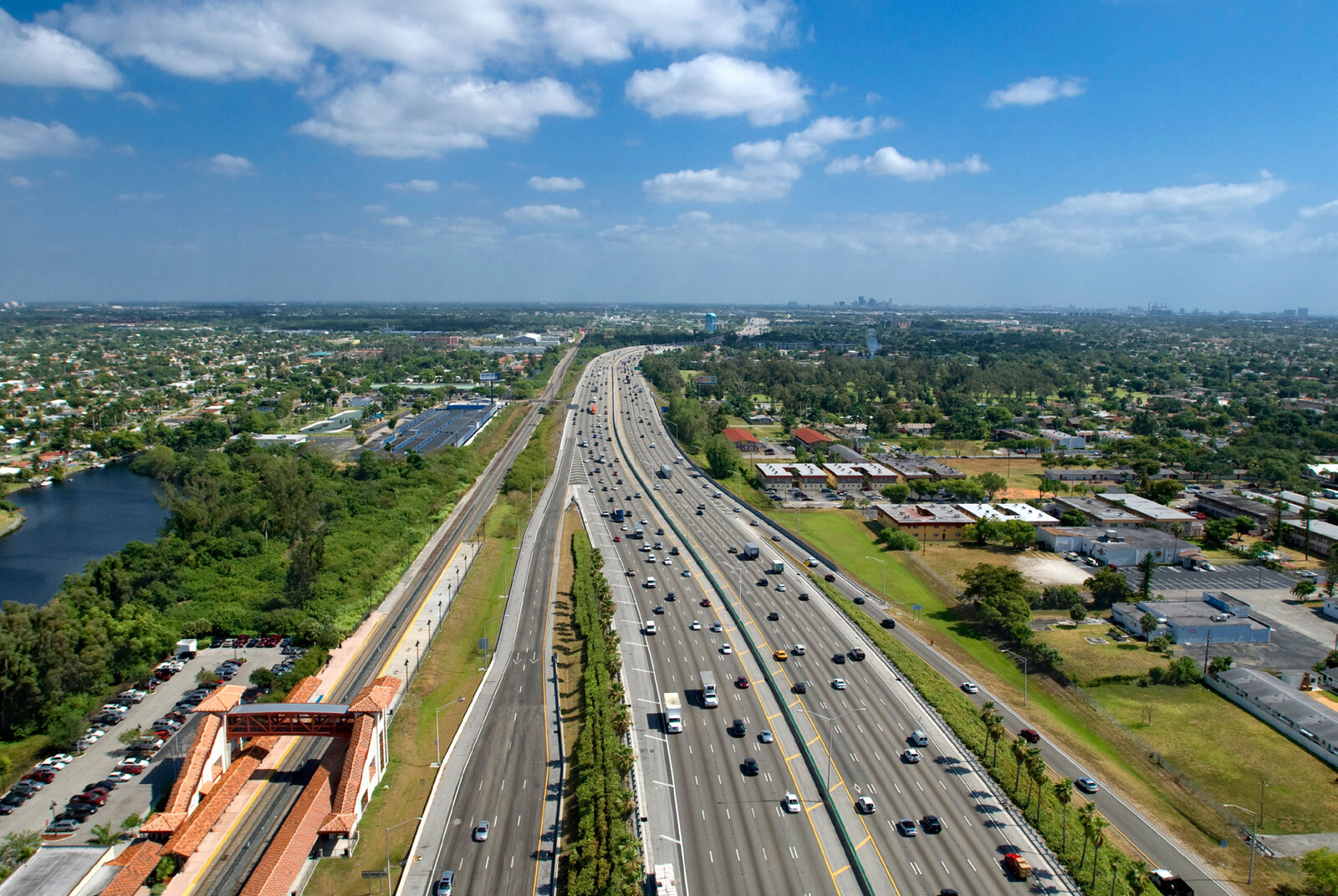
Around the world, and increasingly across Africa, transport corridors are becoming beneficiation corridors that support industrial clustering, localisation and regional value chains.
This approach aligns closely with South Africa’s industrial strategy and the opportunities presented by the African Continental Free Trade Area (AfCFTA), which seeks to stimulate intra-African trade and industrial development through improved connectivity and market integration (African Union, 2018; the dtic, 2026).
The emergence of AfCFTA creates new opportunities for industrial zones that can efficiently connect producers to continental markets.
In this context, transport infrastructure becomes a strategic tool for reducing logistics costs, shortening lead times and enabling regional value chains.

The OR Tambo SEZ is uniquely positioned within this evolving landscape. Through its integration with international air cargo infrastructure and broader logistics networks, it can serve as a gateway for African manufacturing and trade.
The strategic question is no longer whether transport supports industry. The question is how transport networks can be intentionally leveraged to maximise value addition, localisation and industrial competitiveness.
Conclusion: Looking Ahead
As global industries continue to prioritise resilience, agility and innovation, the relationship between transport and industrial development will become increasingly important.
The OR Tambo SEZ is uniquely positioned to demonstrate how this integration can be achieved.
Its competitive advantage lies not simply in its location, but in its ability to leverage transport connectivity as a driver of beneficiation, industrialisation and export growth.
As South Africa marks Transport Month, the conversation should therefore extend beyond roads, rail and aviation networks. The true value of transport infrastructure lies in its capacity to unlock economic opportunity, support industrial transformation and position the country more competitively within global value chains.
The future of beneficiation will not be determined solely by resource endowments or manufacturing capability. It will also depend on how effectively industrial production is connected to domestic, regional and global markets.
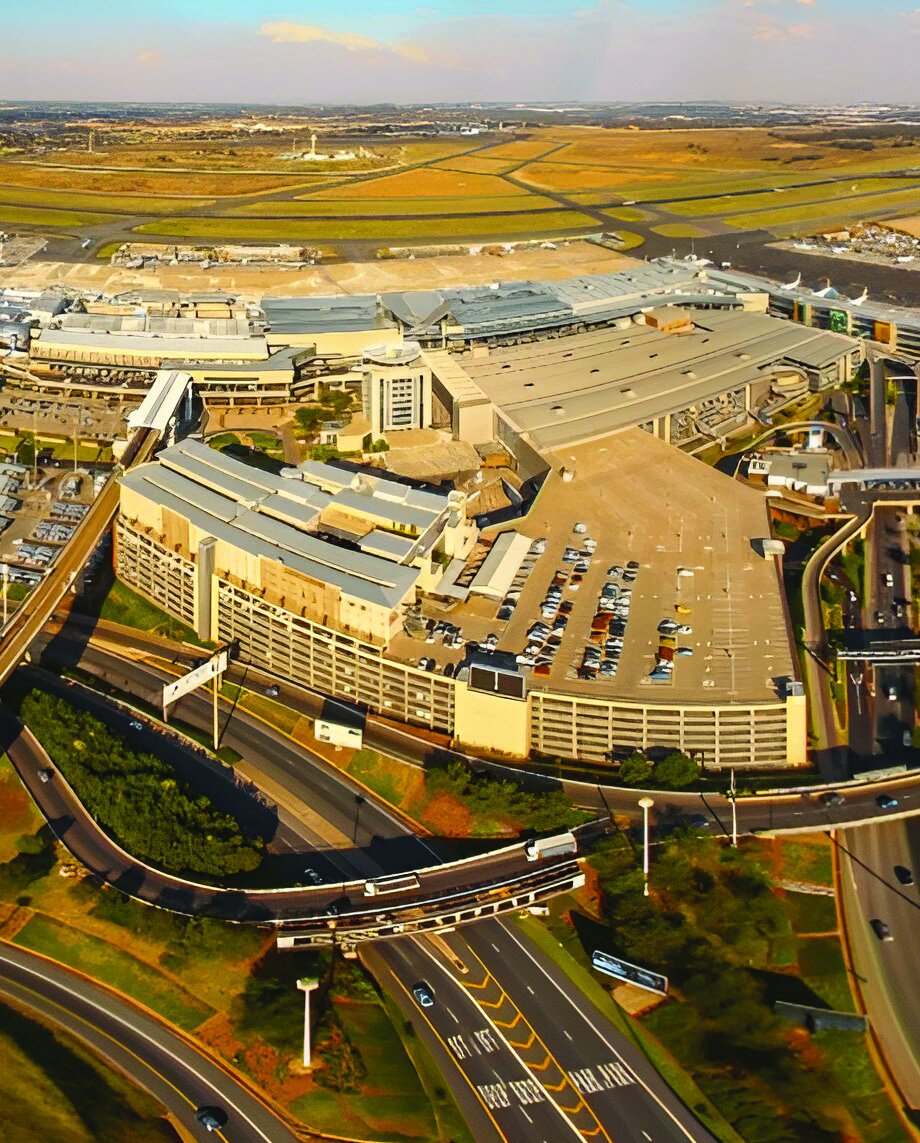
As South Africa continues to prioritise industrialisation, localisation, critical mineral processing and regional value chain development, the OR Tambo SEZ demonstrates how transport infrastructure can evolve from a logistics function into a strategic catalyst for industrial transformation, export competitiveness and sustainable economic growth (the dtic, 2026; Parks Tau, 2026).
The experience of the OR Tambo SEZ illustrates a powerful reality: transport is no longer just about moving goods. It is about moving economies up the value chain.
References
- African Union. (2018). Agreement Establishing the African Continental Free Trade Area (AfCFTA). Addis Ababa: African Union.
- Rodrigue, J.P. (2020). The Geography of Transport Systems. 5th ed. New York: Routledge.
- Tau, P. (2026). Remarks at the 2nd International Special Economic Zones Conference, Durban, 16 July 2026. Pretoria: Government of South Africa. (Accessed: 13 October 2026).
- The Department of Trade, Industry and Competition (the dtic). (2026). Annual Report 2025/26. Pretoria: the dtic. (Accessed: 13 October 2026).
- United Nations Conference on Trade and Development (UNCTAD). (2023). World Investment Report 2023: Investing in Sustainable Energy for All. Geneva: UNCTAD.
